State Audit Office of Vietnam
Portal




This article highlights SDG16—promote peaceful and inclusive societies for sustainable development, provide access to justice for all and build effective, accountable and inclusive institutions at all levels—paying particular emphasis to eradicating corruption and the ability to measure and monitor progress using a first-hand, real-world perspective. Combating corruption, as outlined in SDG16, should be viewed as a keystone element to all SDG agendas. In 2017, Transparency International estimated more than 900 million people in the Asia-Pacific region alone paid bribes to access basic services like health care and education. This statistic illustrates additional complexities in achieving SDG3 (better health care) and SDG4 (better education) and demonstrates the pervasive threat corruption has on the entire SDG program.
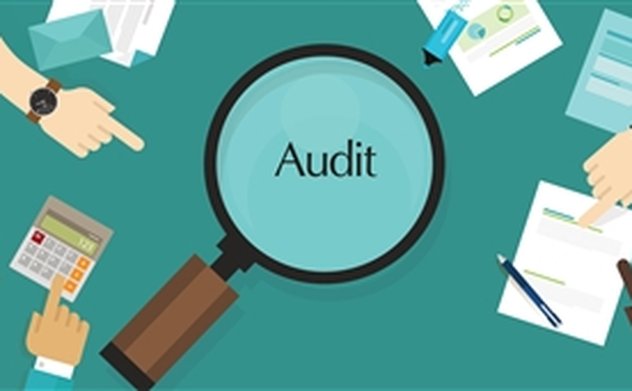
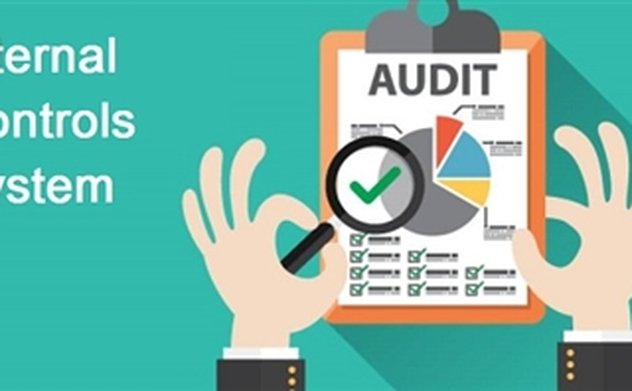
Supreme Audit Institutions (SAIs) represent important mechanisms in safeguarding public resources, and the broad authorities of the Comptroller of Israel are intended to, among other things, strengthen good governance. However, evaluating public audit effectiveness and its ability to enhance good governance is complex and often difficult, if not impossible. This article explores modeling to examine audit effectiveness, including an examination of influential factors and a comparison that uncovers the most impactful report type.

Corruption is associated with public property and private power. In accordance with the provisions of the 2013 Constitution, it can be seen that the National Assembly had taken a leading role in controlling state power as a whole and preventing and fighting against corruption in particular. However, the legal institutions of the National Assembly have not clearly showed its power and ability to exercise the rights in a practical and effective manner. Furthermore, in accordance with the 2018 Law on Anti-corruption (taking effect on 01 July 2019), the National Assembly does not have anti-corruption functions. Article 7 under the Law regulates that the National Assembly shall supervise anti-corruption works nationwide.