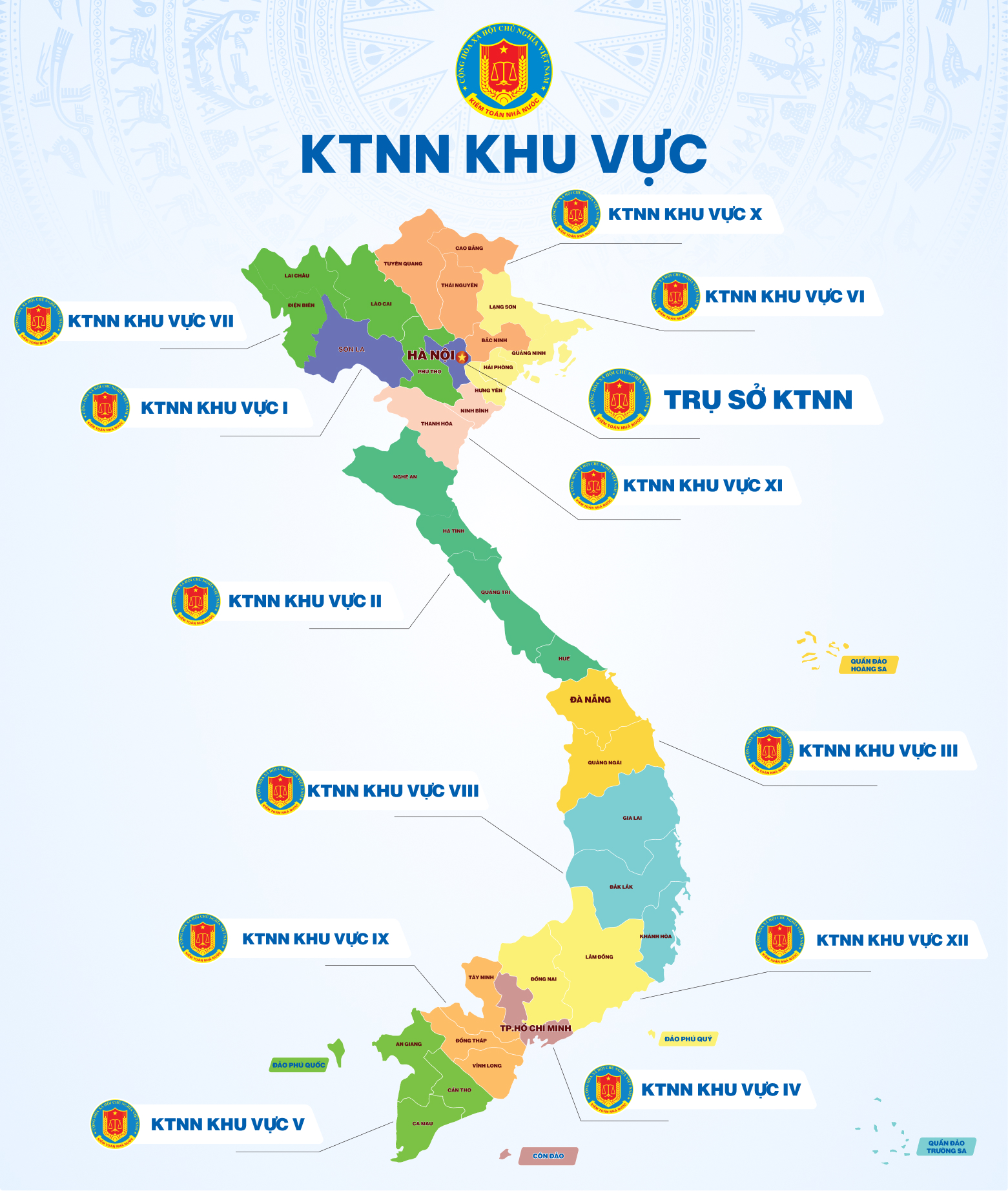
Kiểm toán nhà nước
State audit office of VietNam



SAI Afghanistan: Changes and recent developments


Public audit aims to enhance good governance by promoting transparency and accountability in governmental financial affairs. Throughout the audit process, identifying any weakness and gaps is crucial, particularly pertaining to legal compliance; internal control; revenue assessment and collection; budget, public procurement and project management; and service delivery. To address such deficiencies, audits present advice designed to achieve economy, eficiency and effectiveness in public resource use; however, merely providing suggestions does not meet an audit’s desired objectives. The ultimate objective— making a difference in the lives of citizens—can only occur when audited entities implement the recommendations.

Performance audits, which aim to provide citizens with new information and trace final destinations of money spent, theoretically share a common purpose with public institutions—to better serve the citizens.
Corruption and financial fraud are very challenging issues within the banking system that can infect irreparable harm to a nation’s development and growth.

Research suggests a principal cause of fraud to be a weak, limited internal control system. In Ecuador, the nation's Organic Criminal Code (COIP) addresses fraud and crimes against public administration, and the COIP considers embezzlement, illicit enrichment, bribery, and influence peddling among the primary forms of corrupt activities. These crimes, generally discovered through audit interventions and/or complaints, demonstrate the need for a robust internal control system. An internal control system aims to (1) comply with legal, technical and administrative order; (2) promote an entity’s efficiency and effectiveness; (3) guarantee information reliability and timeliness; and (4) take appropriate measures to correct control deficiencies.